
 quiet
quiet
- Swell period
- 6.2s
- Wind
- E 22 km/h
- Score
- 15
- Confidence
- 85%
All spots / Oʻahu
November — February
Waimea Bay
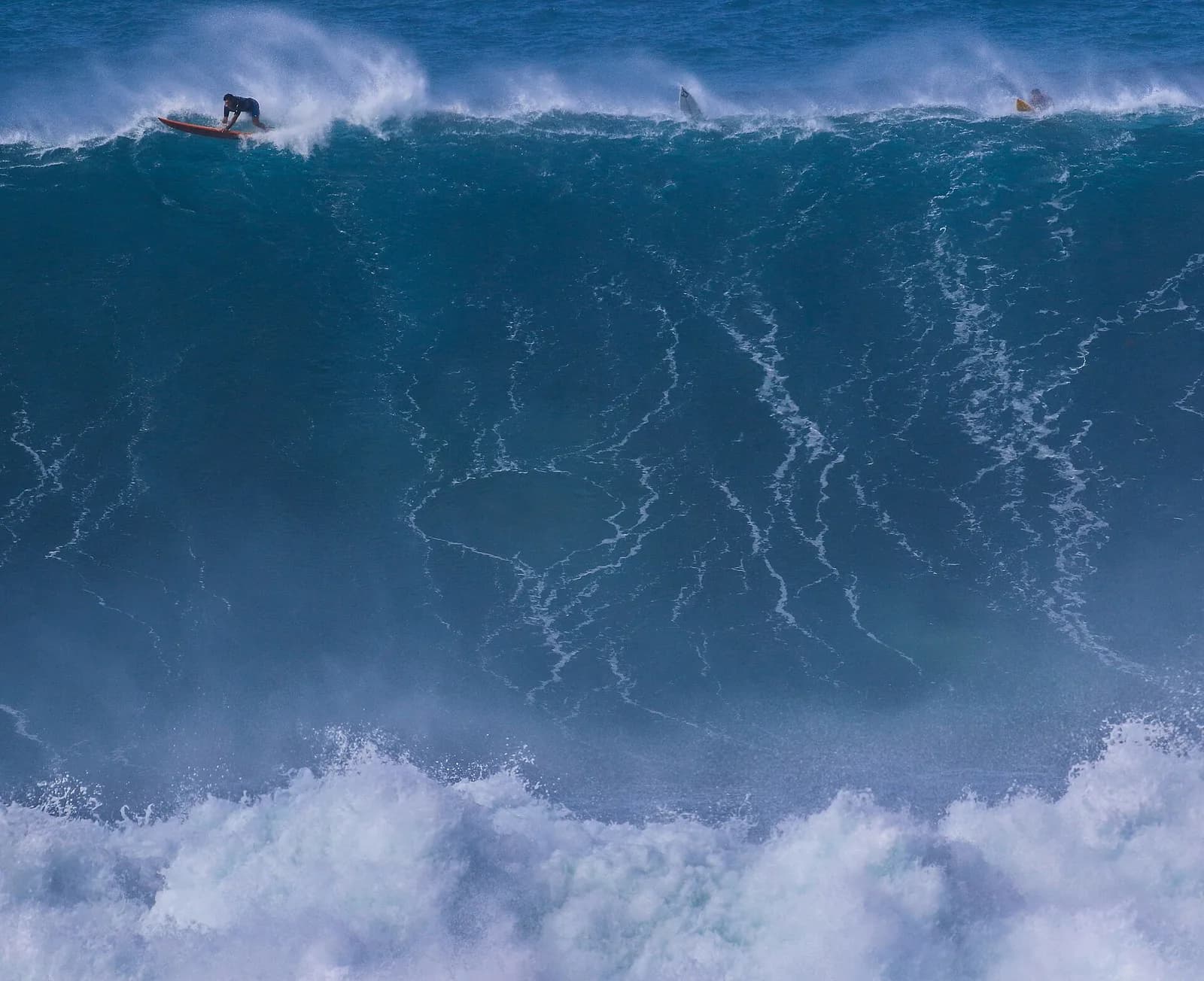
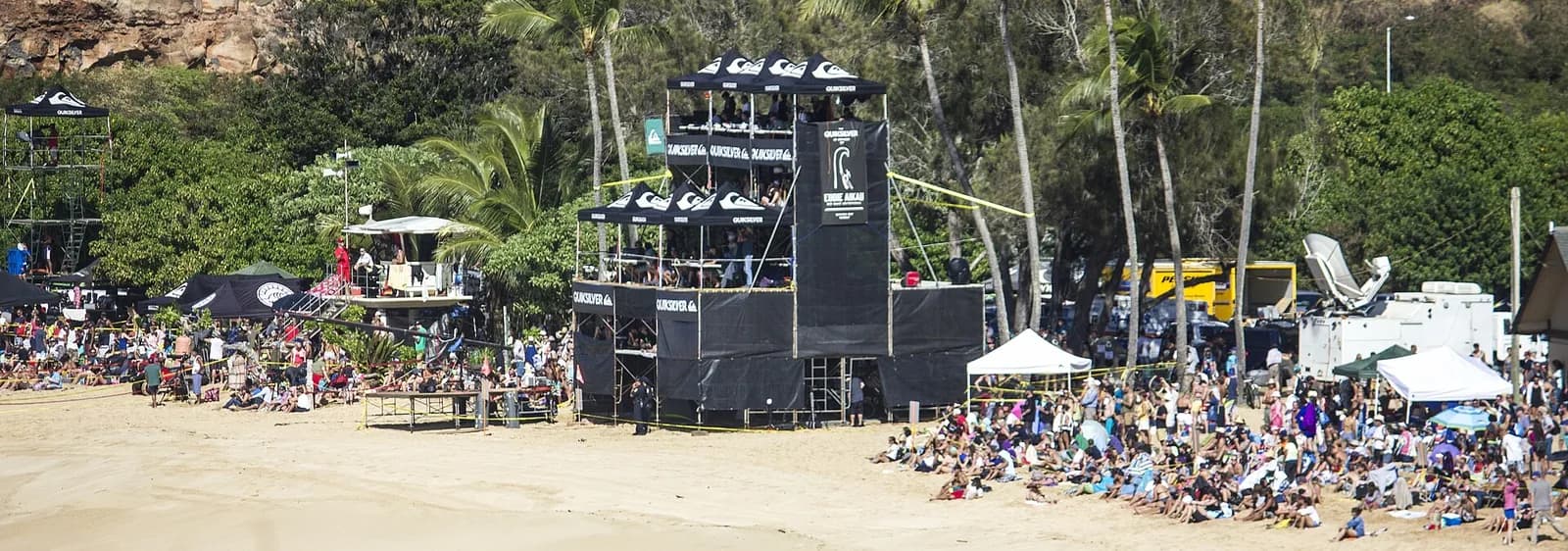
The birthplace of modern big-wave surfing and home of the invitation-only Eddie Aikau event.
quiet
Valid 2026-09-04
15Wave score
Forecast confidence85%
At a glance
The latest outlook for Waimea Bay
No major big-wave window is confirmed yet. We are monitoring the next long-period pulse.
Wave face1.2–1.8 m
Swell period6.2s
WindE 22 km/h
Confidence85%
Location
Where is Waimea Bay?
Explore the surrounding coastline and open the marker for location details.
- Waimea Bay: 21.641, -158.067
See the break
Explore the area
What to do in Waimea Bay
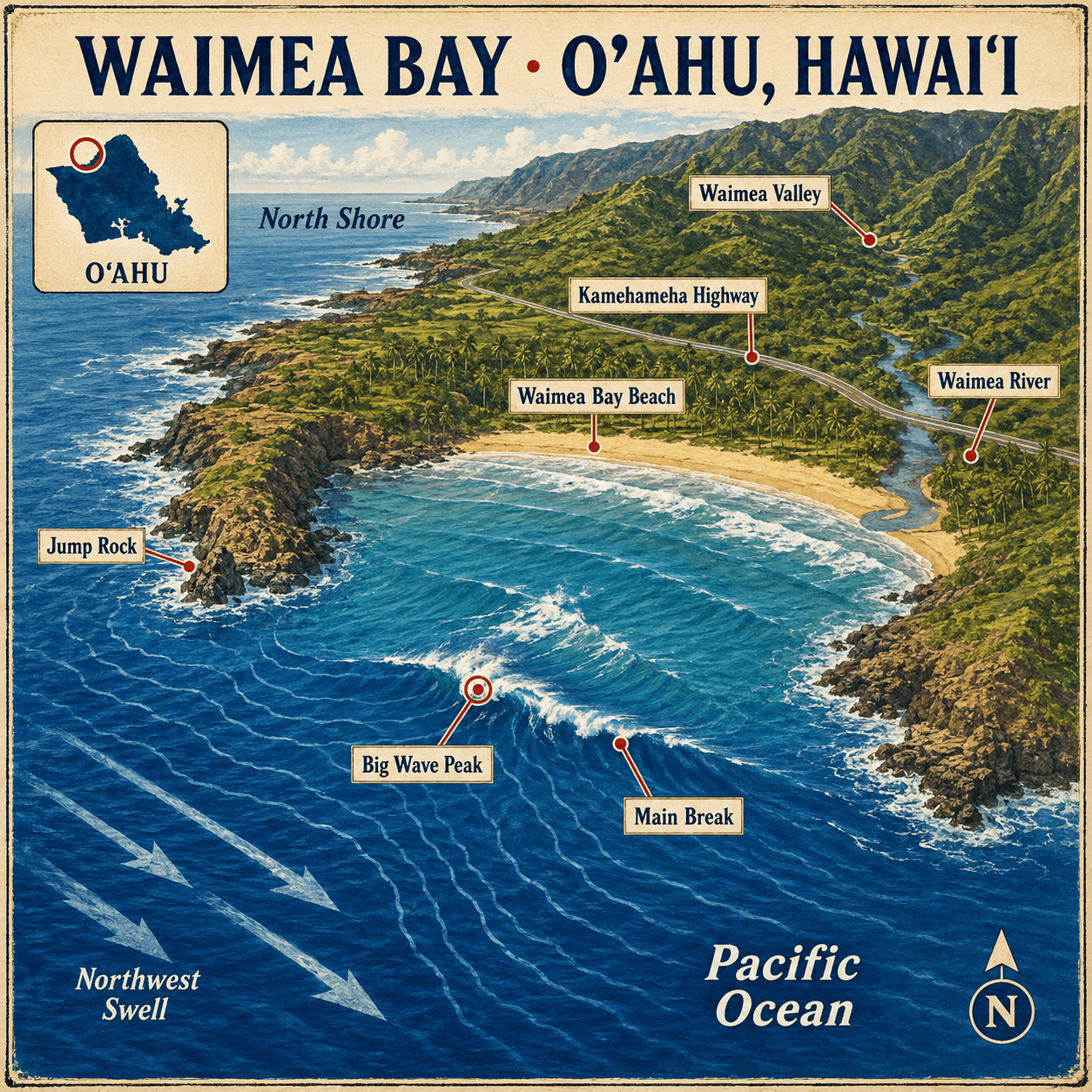
Use the illustrated map to discover beaches, viewpoints and local landmarks.
Waimea Bay
A historic Oʻahu surf location widely regarded as one of the birthplaces of modern big-wave surfing.
Big Wave Peak
The deep-water take-off area where powerful winter swells rise dramatically inside the mouth of the bay.
Main Break
Waimea’s principal surfing zone, producing steep drops and powerful waves that continue toward the beach.
Waimea Bay Beach
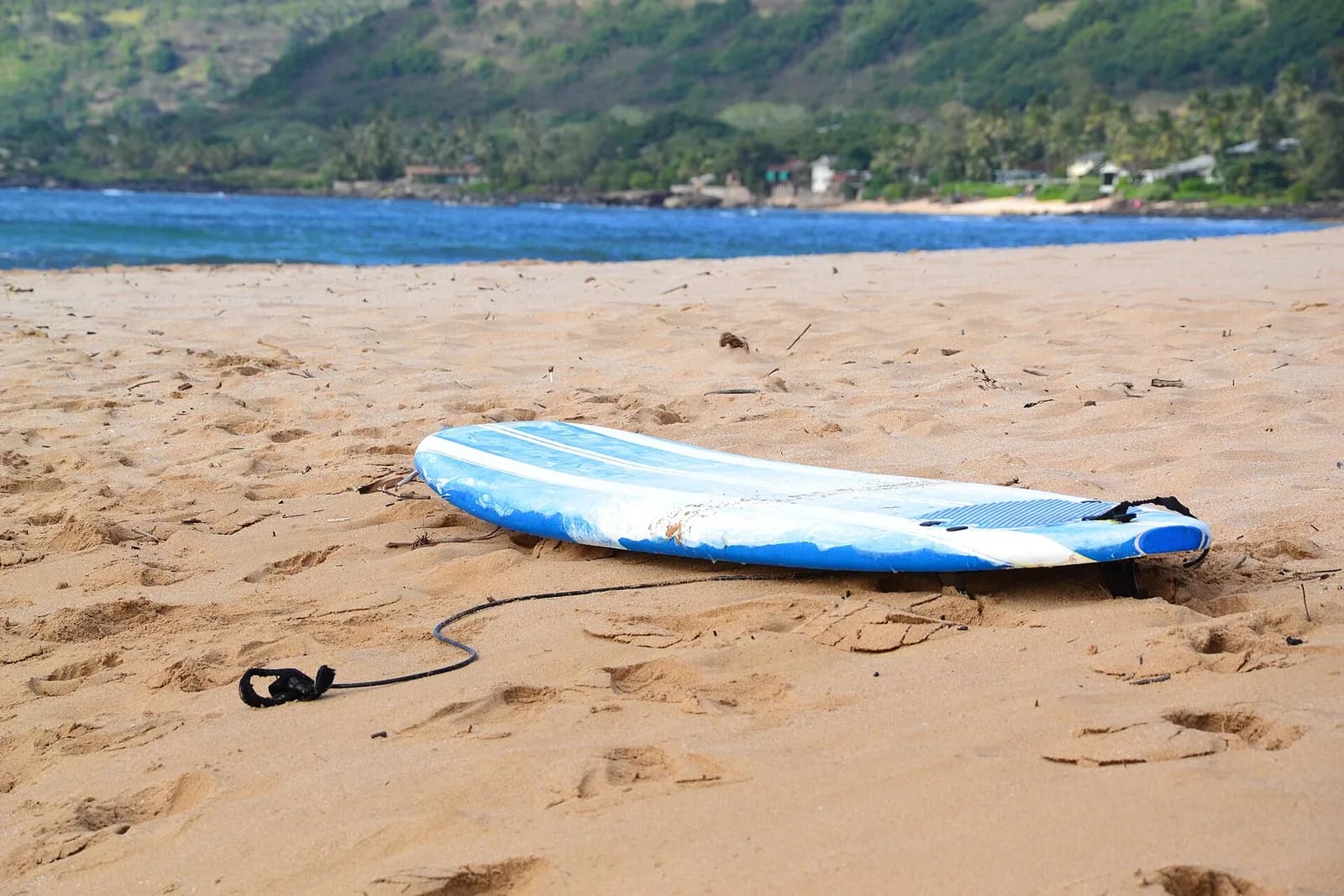
A broad crescent of golden sand forming the shoreline at the back of the bay.
Waimea River
A short river flowing from Waimea Valley and reaching the ocean beside the beach.
Jump Rock
A prominent rock formation beside the bay and one of Waimea’s most recognisable coastal landmarks.
Waimea Valley
A lush inland valley with important natural, botanical and Hawaiian cultural significance.
Kamehameha Highway
The coastal highway connecting Waimea Bay with Haleʻiwa and the wider North Shore.
Northwest Swell
Powerful winter swell approaches from the northwest before entering the bay and forming large waves.
North Shore
Oʻahu’s celebrated surfing coastline, home to many of Hawaiʻi’s most powerful winter breaks.
Pacific Ocean
The open ocean supplying the long-period swells that create Waimea Bay’s legendary big-wave conditions.
Oʻahu
The Hawaiian island containing Waimea Bay and the world-famous North Shore.
Wave face
Swell history & forecast
Recent results and the next 16 days, shown against stacked 1.8 m people for scale.
Next 16 days
- Swell period
- 9s
- Wind
- E 24 km/h
- Score
- 10
- Confidence
- 80%
- Swell period
- 11s
- Wind
- E 22 km/h
- Score
- 12
- Confidence
- 72%
- Swell period
- 11s
- Wind
- E 28 km/h
- Score
- 10
- Confidence
- 70%
- Swell period
- 13s
- Wind
- E 24 km/h
- Score
- 15
- Confidence
- 60%
- Swell period
- 8.5s
- Wind
- E 22 km/h
- Score
- 18
- Confidence
- 45%
- Swell period
- 11s
- Wind
- E 22 km/h
- Score
- 15
- Confidence
- 50%
- Swell period
- 10s
- Wind
- E 22 km/h
- Score
- 10
- Confidence
- 42%
- Swell period
- 9s
- Wind
- E 22 km/h
- Score
- 15
- Confidence
- 35%
- Swell period
- 9s
- Wind
- E 24 km/h
- Score
- 12
- Confidence
- 30%
- Swell period
- 10s
- Wind
- E 22 km/h
- Score
- 18
- Confidence
- 35%
- Swell period
- 10s
- Wind
- E 22 km/h
- Score
- 15
- Confidence
- 25%
- Swell period
- 9s
- Wind
- E 22 km/h
- Score
- 12
- Confidence
- 25%
- Swell period
- 10s
- Wind
- E 22 km/h
- Score
- 18
- Confidence
- 25%
- Swell period
- 10s
- Wind
- E 22 km/h
- Score
- 15
- Confidence
- 20%
- Swell period
- 10.5s
- Wind
- E 24 km/h
- Score
- 12
- Confidence
- 15%
When to visit
Month-by-month season planner
Typical big-wave season: November — February. Forecasts still decide the worthwhile days.
- Jan2.3 mAverage swellTypical 1.2–3.6 mBig-wave season
- Feb2.2 mAverage swellTypical 1.2–3.5 mBig-wave season
- Mar2.0 mAverage swellTypical 1.1–3.2 mShoulder month
- Apr1.8 mAverage swellTypical 0.9–2.8 mUsually quieter
- May1.7 mAverage swellTypical 0.9–2.7 mUsually quieter
- Jun1.6 mAverage swellTypical 0.8–2.5 mUsually quieter
- Jul1.6 mAverage swellTypical 0.8–2.5 mUsually quieter
- Aug1.6 mAverage swellTypical 0.8–2.5 mUsually quieter
- Sep1.7 mAverage swellTypical 0.9–2.7 mUsually quieter
- Oct1.9 mAverage swellTypical 1.0–3.0 mShoulder month
- Nov2.1 mAverage swellTypical 1.1–3.3 mBig-wave season
- Dec2.4 mAverage swellTypical 1.3–3.8 mBig-wave season
Offshore significant wave height (Hs). Typical range is P10–P90, not breaking wave-face height.
- Confidence
- High
- Estimated uncertainty
- ±0.2 m
Plan the journey
How to reach Waimea Bay
Travel times are estimates and can increase with traffic, weather, border formalities or major swell crowds.
Daniel K. Inouye International Airport, Honolulu (HNL)
Honolulu is the main air gateway for Oʻahu and the North Shore.
Honolulu Airport → North Shore
Follow H-1 west, H-2 north and Kamehameha Highway toward Haleʻiwa and Waimea. Congestion frequently pushes the drive beyond an hour.
Travel detailsPūpūkea, Sunset Beach or Haleʻiwa
Pūpūkea and nearby accommodation offer the quickest access. Haleʻiwa is 15–20 minutes away but has more shops, restaurants and services.
Accommodation → Waimea Bay Beach Park
Drive to the beach park and arrive early because its small car park fills quickly on major swell days.
Travel detailsBeach → Western-side lineup
Enter from the sand and paddle toward the lineup. Large conditions make the shorebreak, currents and route substantially more demanding.
Guides
Plan the whole visit
Forecast, viewing, travel and safety guidance in one place.
When to visit
Plan flexibly
The established big-wave season at Waimea Bay is November — February. The best days are uncommon and usually become clear only a few days ahead.
Read guide →Where to watchGive the ocean room
View Waimea Bay from established public viewpoints and obey closures, barriers and local authorities.
Read guide →Where to stayTravel with flexibility
Stay within easy reach of Waimea Bay, but avoid booking solely around a long-range forecast.
Read guide →SafetyNon-negotiable basics
Big-wave coastlines are hazardous for spectators and surfers. Conditions at Waimea Bay can change quickly.
Read guide →RecordsVerified history first
Waimea Bay has earned its place in big-wave history through remarkable conditions, surfers and local communities.
Read guide →Common questions
Waimea Bay FAQs
Practical answers for planning a safe, well-informed visit.
When is the big-wave season at Waimea Bay?+
Waimea Bay’s primary big-wave season is November through February, during the North Pacific winter. The bay only becomes a true big-wave venue on sufficiently large northwest swells.
How far is Waimea Bay from Honolulu Airport?+
The drive from Honolulu Airport to the North Shore usually takes about 50 to 90 minutes, depending heavily on traffic. Staying in Pūpūkea, Sunset Beach or Haleʻiwa reduces surf-day travel.
How do surfers reach the Waimea Bay lineup?+
Surfers enter from Waimea Bay Beach and paddle toward the western side of the bay. The paddle may take 5 to 15 minutes but becomes far more difficult when the bay is large.
Is Waimea Bay good for spectators?+
The beach and surrounding shoreline can offer clear views, but parking fills early and access may change during major swells. Always follow lifeguard instructions and remain clear of the shorebreak.